
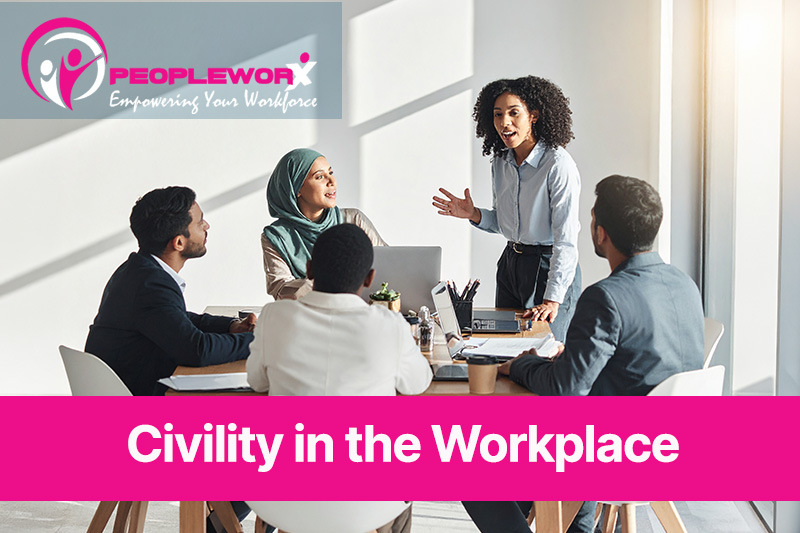
In today’s complex work environment, civility in the workplace has become more than a matter of etiquette. It is increasingly recognized as a foundational element of organizational health, productivity, and employee engagement.
Yet many organizations are finding that maintaining a respectful workplace culture is becoming more challenging. Shifting communication norms, hybrid work environments, rising stress levels, and heightened social tensions have contributed to an increase in workplace friction. What might once have been considered minor interpersonal issues are now frequently escalating into larger organizational challenges that affect morale, collaboration, and retention.
For HR leaders and business executives alike, the conversation around workplace civility has shifted from a “soft skill” topic to a critical operational priority. A workplace where employees feel respected, heard, and valued is not simply more pleasant but would led employees to become more productive, more resilient, and better positioned to attract and retain talent.
Understanding what workplace civility looks like in practice, and how organizations can cultivate it intentionally, is essential for modern leadership.
Defining Civility in the Workplace
At its core, civility in the workplace refers to behaviors that demonstrate respect, professionalism, and consideration for others. These behaviors shape how employees interact with colleagues, managers, customers, and partners, particularly during moments of disagreement or stress.
Civility does not mean avoiding difficult conversations or suppressing differing opinions. Healthy organizations depend on open dialogue and constructive debate. Civility instead refers to how those conversations take place. It is the difference between productive disagreement and destructive conflict.
A civil workplace is characterized by employees who listen actively, communicate respectfully, and remain accountable for their behavior even in challenging situations. It is reflected in everyday interactions, exemplified by how meetings are conducted, how feedback is delivered, and how conflicts are addressed.
Importantly, civility also creates an environment where employees feel safe contributing ideas and raising concerns. When individuals believe their perspectives will be heard respectfully, organizations benefit from greater creativity, collaboration, and trust.

The Rising Cost of Workplace Incivility
While disrespectful behavior may appear minor in isolation, its cumulative impact can be significant. Research consistently shows that workplace incivility carries measurable costs for organizations.
Employees who experience or witness uncivil behavior often report decreased concentration, increased stress, and reduced motivation. Even brief negative interactions can disrupt focus and productivity for extended periods of time. When these incidents occur frequently, the effects compound across teams and departments.
Beyond productivity, workplace incivility can contribute to a range of organizational challenges including increased absenteeism, higher turnover, and diminished employee engagement. Employees who feel disrespected are more likely to withdraw from collaboration, avoid certain colleagues, or seek employment elsewhere.
For small and mid-sized organizations in particular, culture tends to spread quickly. A few unresolved interpersonal issues can rapidly influence team dynamics and organizational morale. Conversely, a culture built on mutual respect can become a powerful driver of employee loyalty and organizational stability.
In competitive labor markets, workplace culture increasingly plays a decisive role in whether employees choose to stay or leave.

Why Workplace Civility Is a Growing Focus in 2026
Several broader workplace trends are contributing to renewed attention on civility and respectful communication.
The Expansion of Hybrid and Digital Communication
Many organizations now operate with hybrid or fully remote teams, relying heavily on digital communication tools such as messaging platforms, collaboration software, and email. While these tools enable flexibility and efficiency, they also remove many of the contextual cues that guide face-to-face communication.
Tone, intent, and nuance can easily be misinterpreted in written messages. What may have been intended as a brief or efficient response can be perceived as dismissive or abrupt. Over time, these misunderstandings can create friction between team members.
Organizations increasingly recognize the need to establish clear communication norms and expectations that encourage professionalism across both in-person and digital interactions.
Generational Diversity in the Workforce
The modern workforce often includes four or even five generations of employees working side by side. Each generation may bring different expectations around communication style, feedback, hierarchy, and workplace etiquette.
Without shared guidelines for professional conduct, these differences can create unintentional misunderstandings. Thoughtful organizations address these differences through leadership training, communication frameworks, and clearly articulated behavioral expectations.
Social and Cultural Pressures
Broader social dynamics inevitably influence workplace conversations. Topics related to politics, social issues, and economic pressures have become increasingly visible in workplace dialogue.
While diverse perspectives can enrich organizational culture, they also require careful navigation. Employees must feel comfortable expressing viewpoints while maintaining professionalism and respect for differing opinions.
Establishing a culture of civility allows organizations to maintain open dialogue without allowing disagreement to become personal or disruptive.
The Role of Leadership in Setting the Tone
Civility within an organization rarely emerges by accident. It is shaped intentionally by leadership behavior, organizational values, and consistent reinforcement.
Leaders and managers play a particularly influential role in setting expectations for workplace conduct. Employees often look to leadership as a model for how conflict, feedback, and communication should be handled.
When leaders demonstrate patience, accountability and professionalism even under pressure, they signal that respectful behavior is a core organizational value. Conversely, when leadership tolerates dismissive or disrespectful behavior, those patterns often spread throughout the organization.
For this reason, many organizations are investing more heavily in leadership development programs that emphasize emotional intelligence, conflict resolution, and effective communication.
These skills enable leaders to address interpersonal tensions early, before they escalate into larger cultural challenges.

Building a Culture of Respectful Communication
Creating a civil workplace culture requires more than a single policy or training program. It is an ongoing process that integrates leadership practices, organizational policies, and everyday behaviors.
One important step is establishing clear expectations for professional conduct. Many organizations include guidelines for respectful communication and workplace behavior within employee handbooks or codes of conduct. These frameworks help remove ambiguity about what constitutes appropriate behavior.
Equally important is equipping managers with the skills to navigate difficult conversations. Conflict is inevitable in any organization, but unresolved or poorly managed conflict can quickly erode trust. Training managers in conflict resolution, active listening, and constructive feedback enables them to address issues before they escalate.
Organizations also benefit from fostering psychological safety. Employees should feel comfortable raising concerns or offering new ideas without fear of embarrassment or retaliation. When individuals feel safe contributing their perspectives, collaboration improves and innovation becomes more likely.
Finally, organizations must reinforce expectations consistently. Policies alone are insufficient if they are not applied fairly across all levels of the organization. When employees see respectful behavior rewarded and uncivil behavior addressed promptly, workplace norms become clearer and more sustainable.
Civility as a Strategic Advantage
While workplace civility is often framed as a cultural or interpersonal issue, it also carries meaningful strategic implications.
Organizations with strong cultures of respect often experience stronger collaboration, greater employee engagement, and more effective problem solving. Teams that trust one another are more likely to share information openly and work together toward common goals.
Additionally, workplace culture plays an increasingly important role in recruitment and retention. Many job seekers evaluate potential employers based not only on compensation but also on the overall work environment and leadership approach.
A reputation for professionalism, fairness, and respectful treatment can become a powerful differentiator in competitive labor markets.
For business leaders and HR professionals, cultivating workplace civility is not simply about avoiding conflict. It is about creating an environment where employees can perform at their best, collaborate effectively, and remain committed to the organization’s mission.
As organizations continue to navigate evolving workplace dynamics in 2026 and beyond, civility will remain a cornerstone of sustainable workplace culture.
Additional HR Resources
Workplace culture, employee relations, and compliance responsibilities continue to evolve as organizations grow. HR leaders and business owners benefit from regularly evaluating their policies, communication practices, and leadership approaches.
Exploring HR best-practice resources or conducting periodic HR risk assessments can help organizations identify potential gaps and strengthen their workplace culture before issues arise.
Workplace Civility Is a Business Issue. Measure Your Risk.
Workplace civility is more than a culture issue, it is a business issue. “Civility in the Workplace: Why Respect and Professionalism Matter More Than Ever in 2026” shows how employee behavior can affect retention, productivity, and HR risk. Take our HR Risk Assessment to spot gaps and build a stronger, more respectful workplace.
Take Your 30 Second HR Risk Assessment Now →Frequently Asked Questions
What is civility in the workplace?
Civility in the workplace refers to respectful, professional behavior between employees, managers, and leaders. It includes listening to others, communicating thoughtfully, acknowledging different perspectives, and maintaining professionalism during disagreements. A civil workplace encourages open dialogue while ensuring that all employees feel respected and valued.
Why is workplace civility important for organizations?
Workplace civility contributes to stronger collaboration, higher employee engagement, and improved productivity. When employees feel respected, they are more likely to contribute ideas, work effectively with colleagues, and remain committed to the organization. Conversely, persistent workplace incivility can lead to stress, reduced morale, and higher employee turnover.
What are common examples of workplace incivility?
Examples of workplace incivility can include interrupting colleagues, dismissing ideas without consideration, spreading gossip, using disrespectful language, or excluding coworkers from conversations or decision-making. While these behaviors may seem minor individually, repeated incidents can negatively impact team morale and workplace culture.
How can organizations encourage respectful behavior at work?
Organizations can promote workplace civility by establishing clear conduct expectations, providing leadership and communication training, and addressing conflicts early. Managers play a critical role by modeling respectful behavior and creating environments where employees feel comfortable expressing ideas and concerns.
What role does HR play in maintaining workplace civility?
Human resources teams help shape workplace culture by developing conduct policies, providing training on communication and conflict resolution, and supporting managers when interpersonal issues arise. HR professionals also help ensure that organizational policies are applied consistently and fairly across the workforce.
Many workplace culture issues begin as small communication breakdowns before escalating into employee relations challenges. Having the right HR policies, documentation standards, and leadership practices in place can help organizations address these situations early.
If you need help with workforce management, please contact PeopleWorX at 240-699-0060 | 1-888-929-2729 or email us at HR@peopleworx.io