The retail industry has always evolved alongside consumer expectations, but the pace of change heading into 2026 is unlike anything the sector has experienced in decades. New technologies, changing buying behaviors, and shifting workforce expectations are forcing retailers to rethink not only how they sell, but how they structure and support their teams.
For small and mid-sized retailers in particular, the next phase of retail competition will not be won solely through digital transformation or new point-of-sale systems. It will be determined by how effectively organizations align their workforce strategy with the demands of a modern retail environment.
Retail remains one of the most people-intensive industries in the U.S. economy. Store associates, customer service representatives, warehouse staff, and managers all contribute directly to the customer experience. Yet many retailers still treat workforce strategy as an operational necessity rather than a strategic driver of growth.
That mindset is rapidly changing.
In 2026, the most resilient retail organizations will be those that understand a fundamental truth: technology may transform retail operations, but people ultimately determine whether those systems deliver value.
Content
- Omnichannel Retail Is No Longer a Competitive Advantage But It Is the Baseline
- Artificial Intelligence Is Reshaping Retail Work But Not Eliminating It
- Artificial Intelligence Is Reshaping Retail Work But Not Eliminating It
- The Workforce Challenge: Turnover, Engagement, and Retention
- Culture Is Emerging as a Strategic Advantage
- What These Trends Mean for Small and Mid-Sized Retailers
- Evaluating Workforce Readiness for the Next Phase of Retail
- Frequently Asked Questions
- Looking Ahead
Omnichannel Retail Is No Longer a Competitive Advantage But It Is the Baseline
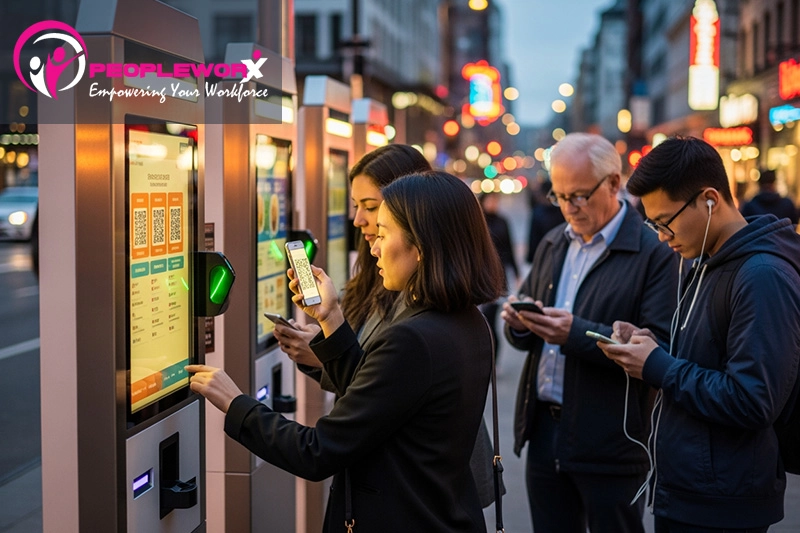
Over the past decade, the concept of “omnichannel retail” has shifted from an emerging strategy to a standard consumer expectation. Shoppers no longer think in terms of online or in-store experiences. Instead, they expect retailers to provide a unified journey across mobile apps, websites, social platforms, and physical locations.
Services such as buy online, pick up in store (BOPIS), cross-channel returns, and real-time inventory visibility have become common components of modern retail. For large national chains, these capabilities are now standard infrastructure. Increasingly, customers expect the same level of convenience from regional and local retailers.
While these systems are often framed as technology initiatives, their success ultimately depends on operational execution and employee readiness. Omnichannel operations require retail employees to move fluidly between responsibilities that historically belonged to separate teams. A store associate may assist a walk-in customer, fulfill an online order, coordinate curbside pickup, and process a return within the same shift.
Without thoughtful workforce planning, these operational demands can quickly lead to burnout, confusion, and inconsistent service.
Retail leaders who approach omnichannel transformation successfully tend to focus not only on system integration but also on employee training, workflow clarity, and scheduling flexibility. Associates must understand how digital systems connect with store operations, and managers must be equipped to allocate labor in ways that support both in-store engagement and fulfillment responsibilities.
In many organizations, the biggest barrier to effective omnichannel execution is not technology — it is the absence of structured workforce processes designed to support it.
Artificial Intelligence Is Reshaping Retail Work But Not Eliminating It
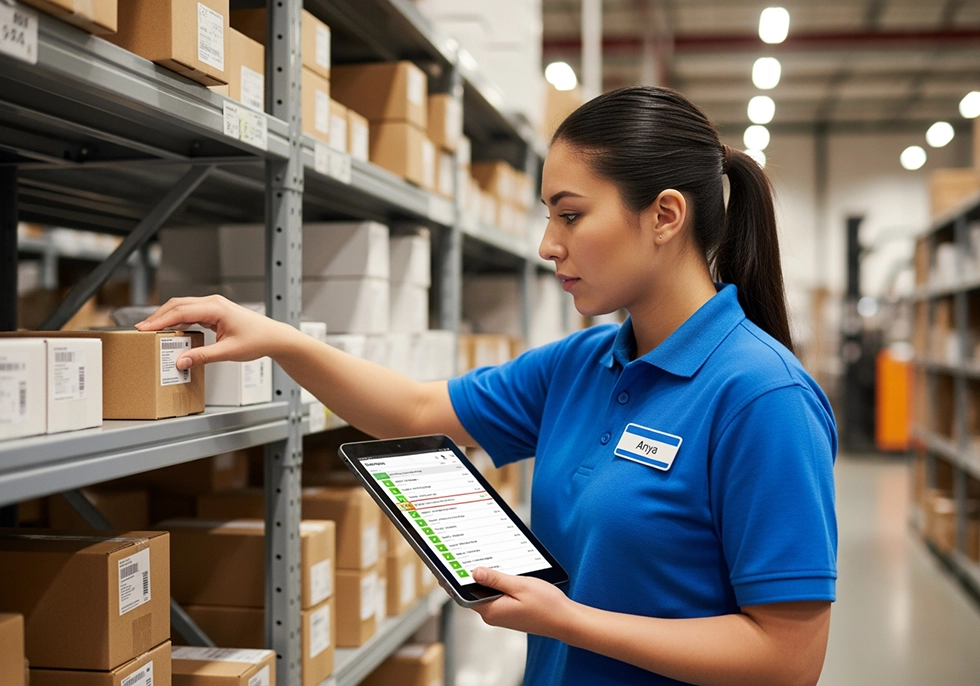
Artificial intelligence has become one of the most widely discussed forces shaping the future of retail. From predictive inventory management and automated merchandising to personalized product recommendations, AI-driven tools are transforming how retailers make operational decisions.
Despite frequent headlines predicting large-scale job displacement, the reality on the ground is more nuanced. In most retail environments, artificial intelligence is not replacing employees. Instead, it is changing the nature of their work.
Routine tasks such as inventory forecasting, demand analysis, and basic customer inquiries are increasingly automated. As a result, retail employees are spending less time on repetitive administrative activities and more time on functions that require judgment, communication, and relationship-building.
This shift is elevating the importance of human-centered skills within retail organizations. Product expertise, customer engagement, problem resolution, and brand storytelling are becoming essential capabilities for frontline staff.
For many retailers, the challenge is not technological adoption but workforce development. Organizations must ensure that employees are trained to work alongside AI-powered systems rather than feeling displaced or overwhelmed by them.
Retailers that treat technology implementation as a purely technical initiative often struggle to realize its full value. Those that pair technological innovation with thoughtful employee training programs tend to see stronger results in both operational efficiency and customer satisfaction.
Physical Stores Are Evolving Into Experience Centers
Predictions about the decline of brick-and-mortar retail have circulated for years, yet physical stores remain a vital component of the retail landscape. Rather than disappearing, they are evolving.
In 2026, many retailers are redefining the purpose of their physical locations. Stores are increasingly functioning as experiential hubs where customers interact with products, engage with brand ambassadors, and participate in community-oriented events.
Pop-up experiences, product demonstrations, workshops, and interactive displays are becoming more common across a wide range of retail sectors. These initiatives aim to transform shopping from a purely transactional activity into a memorable brand interaction.
This shift places new expectations on retail employees. Associates are no longer simply responsible for processing transactions or restocking shelves. They are expected to serve as product experts, customer advisors, and brand representatives.
Delivering this type of experience requires a workforce that is both knowledgeable and engaged. Retailers must invest in training programs that help employees develop communication skills, product knowledge, and confidence in customer-facing roles.
At the same time, store managers are being asked to lead teams in ways that foster collaboration and enthusiasm rather than simply enforcing operational procedures.
In many respects, the modern retail store functions less like a traditional sales floor and more like a stage where employees bring the brand to life.
The Workforce Challenge: Turnover, Engagement, and Retention
Retail has long faced one of the highest employee turnover rates of any major industry. While the causes are varied, factors such as unpredictable scheduling, limited advancement opportunities, and the demanding nature of customer-facing work contribute to a cycle of constant hiring and training.
High turnover carries significant costs. Recruiting new employees, onboarding them, and training them to proficiency requires time and resources that many retailers struggle to spare. Frequent staff changes can also disrupt team cohesion and reduce the consistency of customer service.
In an environment where brand loyalty is closely tied to customer experience, workforce instability can directly affect revenue.
Some retailers are beginning to rethink how they approach employee retention. Rather than viewing frontline positions as temporary roles, these organizations are developing clearer career pathways within their stores and regional operations.
Flexible scheduling practices, structured training programs, and recognition initiatives are increasingly common tools for improving engagement.
Leadership style also plays an important role. Employees who feel supported by their managers and respected within their workplace culture are significantly more likely to remain with an organization.
Retail leaders who prioritize workforce stability often discover that improved retention creates a positive ripple effect. Experienced employees deliver better service, mentor new hires, and contribute to a more cohesive team environment.

Culture Is Emerging as a Strategic Advantage
Retail work can be both physically demanding and emotionally taxing. Employees interact with hundreds of customers each week, often navigating challenging situations while maintaining a positive demeanor.
In this context, workplace culture becomes more than a philosophical concept. It becomes a practical factor influencing morale, retention, and performance.
Organizations that cultivate supportive cultures often emphasize open communication, recognition for strong performance, and opportunities for employee feedback. Team-based problem solving and transparent leadership can help employees feel invested in the success of the business.
These cultural elements may appear intangible, but their impact on operational outcomes is substantial. Employees who feel valued and respected are more likely to demonstrate initiative, deliver better customer experiences, and remain with the organization over time.
For retailers competing in crowded markets, a strong internal culture can be as valuable as any marketing campaign.
What These Trends Mean for Small and Mid-Sized Retailers
While large national retailers often dominate headlines, small and mid-sized retail businesses remain a vital part of the American economy. Independent retailers, regional chains, and specialty stores frequently possess strengths that larger competitors struggle to replicate.
Local market knowledge, community relationships, and personalized customer service allow smaller retailers to build loyal customer bases. However, these advantages can be undermined if workforce challenges are left unaddressed.
Retail leaders must increasingly view workforce management as a strategic discipline rather than an administrative task. Hiring practices, onboarding processes, training programs, and scheduling systems all influence how effectively employees can perform their roles.
Organizations that invest time in evaluating their HR processes often discover opportunities to improve compliance, strengthen team engagement, and reduce operational friction.
As retail becomes more complex, proactive workforce planning will become an essential component of long-term stability.
Evaluating Workforce Readiness for the Next Phase of Retail
The retail industry’s transformation is not slowing down. Consumer expectations will continue to evolve, technology will continue to advance, and competition will remain intense.
For many retail organizations, the most productive starting point is simply gaining visibility into existing workforce processes.
Retail leaders may benefit from examining questions such as:
How effectively are employees onboarded and trained?
Are scheduling practices supporting both operational efficiency and employee well-being?
Do managers have the tools and knowledge needed to support compliance and engagement?
Are retention challenges being measured and addressed proactively?
These types of questions often reveal hidden gaps that can be addressed before they grow into larger operational risks.
Retailers interested in exploring these issues further can review practical HR resources or complete an HR risk assessment designed to highlight potential workforce vulnerabilities.

Is Your Retail Workforce Ready to Compete in 2026?
Retail is evolving fast, and winning in 2026 will come down to workforce strategy. Hidden HR risks among them are compliance gaps, turnover, and inefficiencies which can hold you back. Take the HR Risk Assessment to identify vulnerabilities and strengthen your path forward.
Take the HR Risk Assessment →Retail turnover, compliance pressure, and workforce planning challenges can escalate quickly if they are not addressed early. A structured HR review can help identify risks before they impact operations. Get HR guidance before it goes wrong
Frequently Asked Questions
What are the biggest trends shaping retail in 2026?
Retail in 2026 is being influenced by several converging forces, including the continued expansion of omnichannel shopping, the adoption of artificial intelligence in operations, the transformation of physical stores into experiential environments, and persistent workforce challenges such as employee turnover and retention.
Is artificial intelligence replacing retail jobs?
In most retail environments, artificial intelligence is changing how employees work rather than eliminating positions entirely. Automation is handling repetitive administrative tasks, allowing employees to focus more on customer interaction, product expertise, and service delivery.
Why is employee retention such a major issue in retail?
Retail positions often involve demanding schedules, customer-facing responsibilities, and limited career advancement opportunities. These factors contribute to higher turnover rates than many other industries. Organizations that invest in culture, scheduling flexibility, and training programs tend to experience stronger retention.
Do physical retail stores still matter?
Yes. Physical stores remain an important part of the retail ecosystem. Many retailers are redefining their locations as experience-driven environments where customers can interact with products, receive expert guidance, and engage with brands in meaningful ways.
How can small retailers compete with larger chains?
Small retailers often succeed by focusing on personalized service, community relationships, and specialized product offerings. When combined with strong workforce practices and effective operational systems, these advantages can create meaningful differentiation in competitive markets.
Looking Ahead
The next chapter of retail will not be defined solely by e-commerce growth or technological innovation. It will be defined by how organizations balance digital capability with human connection.
Retailers that recognize the strategic importance of their workforce and invest accordingly will be best positioned to navigate the evolving landscape of the industry.
For many organizations, the journey begins with a simple step: evaluating whether their current workforce processes are prepared for the demands of modern retail.
Once workforce strategy is clear, the right payroll and HR technology can simplify scheduling, compliance, and employee management across retail teams.
If you need help with workforce management, please contact PeopleWorX at 240-699-0060 | 1-888-929-2729 or email us at HR@peopleworx.io