

Beyond an Employee Benefit, Using PTO as an HR Strategy
Paid Time Off was once an administrative checkbox. Today it’s a strategic HR lever. For small and mid-sized businesses, the PTO model you choose signals how your organization values well-being, flexibility, and fairness. In a market where burnout is real and retention is fragile, PTO shapes whether people join, stay, and do their best work.
Teams who treat PTO as an HR strategy, not just a policy, attract stronger candidates, protect institutional knowledge, and sustain performance over time. This article looks at PTO through an HR lens: what works, what to watch, and how to align your approach with culture, compliance, and day-to-day operations.
Content
- Introduction: PTO as an HR Strategy, Not Just a Benefit
- Why PTO Models Matter to HR Outcomes
- Common PTO Models, and the HR Signals They Send
- Choosing the Right PTO Model: An HR Decision Framework
- PTO Is Lived Daily: Culture, Equity, and Manager Enablement
- How Technology Supports HR Consistency (Without Replacing Judgment)
- When PTO Conversations Reveal Bigger HR Gaps
- Frequently Asked Questions
Why PTO Models Matter to HR Outcomes
Employees don’t neatly separate “work” and “life.” PTO sits at that intersection, and HR owns that experience. Poorly designed or inconsistently applied PTO shows up fast in HR metrics:
- Rising burnout and quiet disengagement
- Unplanned absenteeism and schedule churn
- Perceived inequities and manager-employee friction
- Turnover that’s costly to replace
Thoughtful, well-managed PTO supports the outcomes HR is measured on:
- Trust and psychological safety between employees and leadership
- Accountability without micromanagement through clear expectations
- Retention and stability by normalizing rest and recovery
For SMBs where every role matters, strategic PTO can equate to business sustainability.
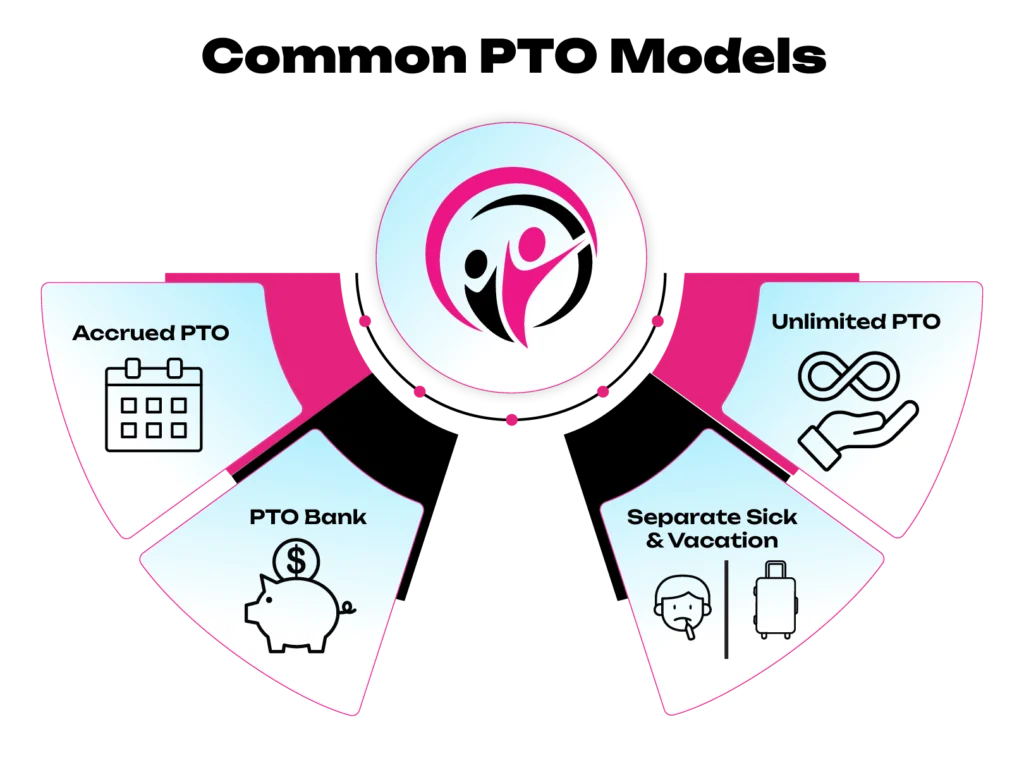
Common PTO Models, and the HR Signals They Send
1) Accrued PTO (Traditional Model)
How it works: Employees earn time off gradually based on hours worked or tenure.
What it signals: Structure, predictability, and fairness.
Best for: Hourly or shift-based teams; compliance-heavy environments.
HR watchouts: Can feel restrictive if managers default to “no” or approvals are slow. Manager training and coverage plans are essential.
2) PTO Bank (Combined Time Off)
How it works: Vacation, sick, and personal time roll into one balance.
What it signals: Flexibility and employee autonomy.
Best for: Growing SMBs that want simplicity without sacrificing control.
HR watchouts: Provide clear guidance so employees don’t “save” time out of guilt or take sick time as “vacation.” Normalize use with leadership modeling.
3) Separate Vacation and Sick Leave
How it works: Different buckets for different needs.
What it signals: Wellness awareness and compliance readiness.
Best for: States with mandated sick leave or health-focused cultures.
HR watchouts: More admin tracking; ensure systems and processes can support accurate, timely reporting.
4) Unlimited PTO
How it works: No predefined cap; time off as needed with manager approval.
What it signals: Trust, maturity, and outcomes-based performance.
Best for: Professional, salaried teams with strong leadership alignment.
HR watchouts: Without norms and minimum-use guidance, employees can take less time. Publish expectations and track equity across teams.
Choosing the Right PTO Model: An HR Decision Framework
There’s no one “best” model, only the one that fits your operational reality and culture. Start with these HR-centric questions:
- Workforce predictability: Are schedules stable or variable? Do hourly roles require coverage rules different from salaried teams?
- Behavioral goals: What do you want to normalize, early planning, cross-coverage, or true disconnect time?
- Manager readiness: Do managers know how to say “yes,” plan coverage, and apply policies consistently?
- System support: Can you track balances, approvals, and audits reliably as you grow?
Design the policy, then operationalize it: manager playbooks, coverage templates, and employee communication that makes it easy to do the right thing.
Interested in how your PTO documentation supports your business? Click here to complete a 30 second HR readiness assessment that provides actionable insights, tailored to your company, on how to address potential HR risk.
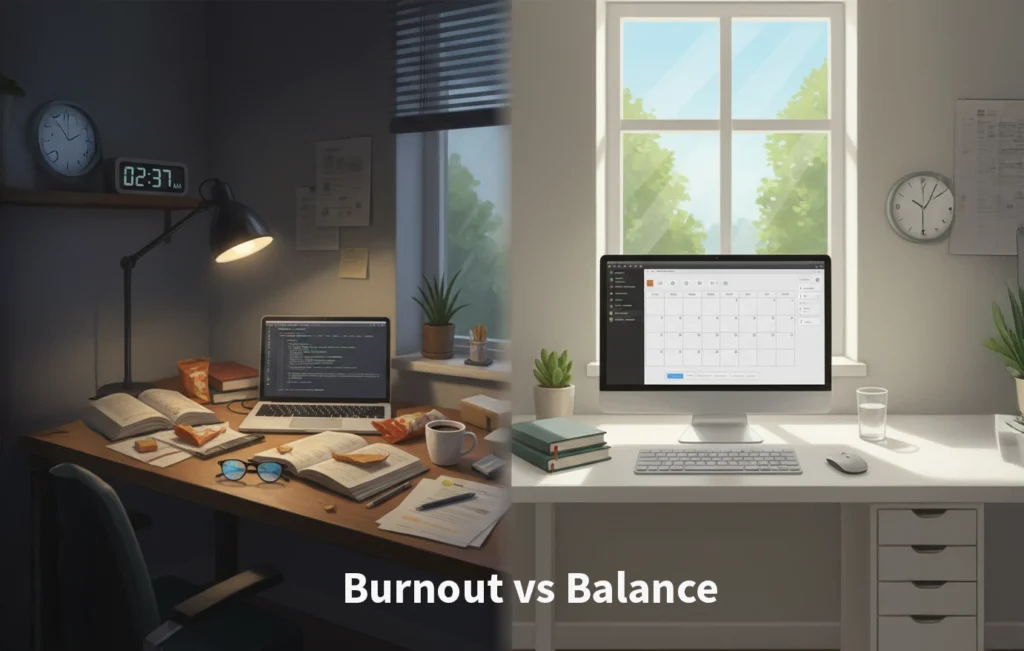
PTO Is Lived Daily: Culture, Equity, and Manager Enablement
Employees notice less “how many days” and more “how it feels”:
- Are requests reviewed promptly and fairly?
- Do leaders model healthy time off?
- Does coverage planning feel supportive or stressful?
HR’s role is to reduce friction. Clear policies, consistent tracking, and transparent visibility turn PTO into a trust builder rather than a point of tension.
How Technology Supports HR Consistency (Without Replacing Judgment)
As PTO becomes more flexible, manual processes break faster. HR teams that scale PTO well typically have:
- Centralized PTO tracking with real-time balances
- Employee self-service for requests and visibility
- Manager workflows for approvals and coverage coordination
- Audit trails for compliance and dispute resolution
Technology enforces consistency; managers provide context and care.
When PTO Conversations Reveal Bigger HR Gaps
PTO often surfaces broader HR needs:
- Policies exist but aren’t documented or evenly applied
- Managers lack a shared playbook
- Growth outpaces structure (new locations, roles, or shifts)
- Employees question fairness, precedent, or access
These aren’t emergencies, they’re signals. Addressing them with HR guidance (policy refresh, manager enablement, and clear comms) strengthens trust and reduces risk.
Does Your PTO Policy Put You at Risk?
Our HR Risk Assessment helps you quickly evaluate whether your PTO strategy is working for your business or quietly creating exposure. In under a minute, you’ll gain insight into potential gaps and opportunities to strengthen your policies, protect your organization, and better support your people.
Take Your 30 Second HR Risk Assessment Now →Frequently Asked Questions
What is a PTO model?
A PTO model defines how employees earn, use, and track paid time off, covering vacation, sick leave, and personal days, and how managers approve and plan coverage.
Which PTO model is best for small businesses?
It depends on your workforce and culture. Many SMBs prefer PTO banks for flexibility or accruals for predictability. The best choice is the one your managers can apply consistently and fairly.
Does unlimited PTO work?
It can, in mature, results-driven cultures with strong norms. Set minimum-use expectations and monitor equity by team to avoid underuse or uneven access.
How does PTO impact employee retention?
Clear, fair, and flexible PTO reduces burnout, improves morale, and supports long-term retention, especially when leaders model taking time off.
Should PTO be tracked through payroll?
Yes. Integrating PTO with your payroll/HR system ensures accuracy, compliance, and transparency, and gives employees confidence that balances and pay are correct.
Dealing with PTO and policy questions right now?
Talk it through with an HR advisor to align policy, equity, and compliance, before it becomes a morale or legal issue.
If you need help with workforce management, please contact PeopleWorX at 240-699-0060 | 1-888-929-2729 or email us at HR@peopleworx.io
When your policy is set, we can help you track, pay, and report PTO accurately, without adding complexity.
>>Explore HRIS Solutions that Help You Manage PTO and Timekeeping in One Application<<